
 This is a Story of Leadership, Psychological Safety & Compassion.
A Pup’s Journey of Transformation.
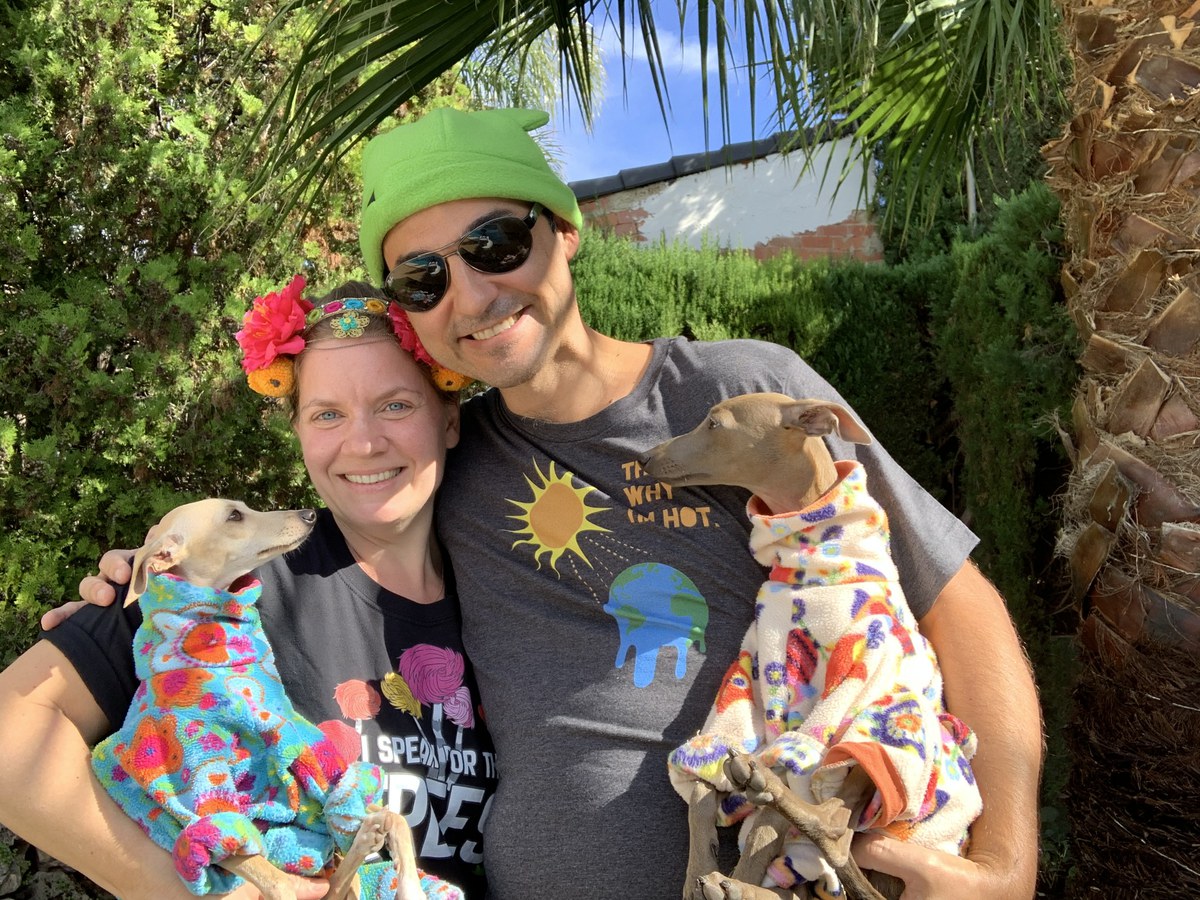
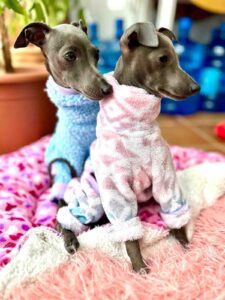
When Nev and I learned we could not have children, we decided to adopt two lovely Italian Greyhound puppies, Betta and Amadeo. They became a major joy in our lives, completing our newfound family, and allowing us to heal from our grief of unexpected childlessness together.
The pups were together almost since birth, and we raised them with all our best love and “parenting”, to facilitate their healthy development and give them the most fulfilling life we could.
Betta was a huge personality. A very secure, intelligent, affectionate and dominant pup despite her tiny size (3 kg). She always knew very well where to go and what she wanted (for herself and for all of us). And she would take care that nobody ever got lost or harmed.
 She was a natural leader, who even as a young puppy was able to mobilize her entire pack, including the adults. We used to compare her great leadership personality with Cleopatra.
Our Amadeo is also very intelligent and extremely affectionate. But more nervous and timid and often felt comfortable in the second row, observing carefully what Betta did and following her lead.
At that time, a clear Follower, to Betta as his Leader.
Amadeo also did not have it easy as a pup. He badly broke a leg twice in random accidents (as unfortunately tends to happen with their breed) and the bone did not heal completely well. He had to go through several operations and this forced him to remain inside for a long time at a critical moment for socialization with other pups and humans, as well as leaving him with a lifelong limp.
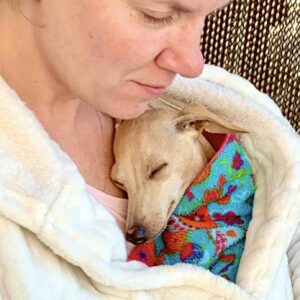 Then nearly 5 years later during the holidays of 2023, Betta was suddenly stricken overnight by an unknown stomach virus and died in our arms the next morning.
We were beside ourselves with grief, particularly as it was all so unexpected and heartbreaking. And to this day we don’t know what actually caused her death. She was perfectly healthy otherwise.
But Amadeo’s grief is what became the most concerning. An otherwise healthy and spirited pup, he started to lose teeth and hair immediately and even had major organ problems, out of nowhere. And he was showing very clear signs of depression.
As you can imagine, we were very distressed, afraid we might lose our other pup as well.
For those people who haven’t had the pleasure of having animal family members, it can be hard to believe or understand just how much intelligence, unique personality, complex feelings and deep affection, animals can have.
They truly became our newfound “pup kids” and the beautiful life we created together was a joy for us all.
Yet after many tests over many months, even the veterinarians had to concede that there didn’t seem to be any other cause for Amadeo’s decline other than: GRIEF.
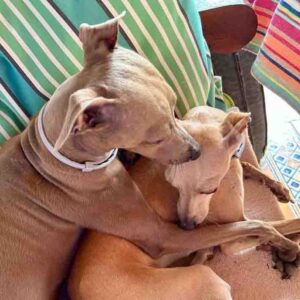
Grief for losing his beloved life companion, Betta.
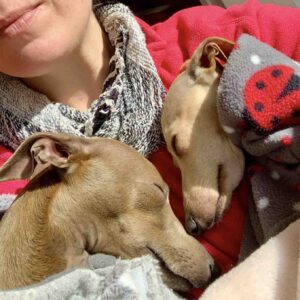
Nev and I put in our best efforts to help Amadeo heal, as we ourselves were trying to do the same. We gave him all our attention and affection, sleeping with him for weeks, extra treats and even more cuddles than before.
We walked him every day, first on well-known routes and later exploring new routes in the forest to distract him and boost his curiosity and engagement. When Amadeo hesitated (as he often would), we would allow him time to explore around. And when he got anxious, we would hug him or hold him, but then make sure to always put him on the ground again to let him decide where to go next and reconnect with his own agency and ability.
We took him to the city and to the beach to interact with others (people, animals, nature) every time it was possible. Again, if he got nervous, we would hug him, patiently wait for him to calm and sometimes pat the other dogs to help him see that they were harmless.
A few weeks later, we started to notice some important changes in Amadeo’s behavior.
He still had some moments when he seemed to be especially quiet, withdrawn and grieving, yet he also appeared in general more focused, motivated and engaged, than before. Like he had been, before Betta passed.
He could now wait patiently for his walk or treat without anxiety, stopped barking at unknown people and dogs, and began to walk straighter and prouder, with confidence and a clear direction in mind.
But the most amazing change was that he stopped losing hair and teeth, and his organs started to return to normal. It took some months, but he was truly recovering and thriving.
As time continued with all of us nurturing each other (because Amadeo was also trying to help us), we noticed that he started to take the lead in our walks, decisively marking the path to follow and venturing more to explore ahead of us, while also checking that we were ok. Showing more assertive behavior, and moments of calm that no longer seemed depressed.
 In short taking a similar role to what Betta was and did previously.
And he was actually smiling again!
When we decided to get two new pup girls – Francesca (Franchy) and Jolie (Baby) – even as Amadeo continued his evolution, he immediately became their new leader, protector and continued to shine as the pup head of the house. Some things may have been instinct, but most (as it emerged in many ways), were because of his personal and leadership growth.
Why is this story important?
I am telling you this personal story because, reflecting on it in hindsight, I believe it illustrates well some fundamental truths regarding Personal Growth and Leadership Development.
The story of Betta and Amadeo shows how compassion and psychological safety (attention, care, and structure) can unlock hidden potential and catalyze transformation, even after trauma.
A nurturing environment – but also appropriately challenging – enabled Amadeo not only to heal, but to emerge as a leader, discovering strengths that had previously been overshadowed by Betta’s strong leadership personality.
Amadeo’s transformation to a proud, focused, and independent dog, and an effective leader of a new family pack, we believe demonstrates the profound impact of psychological safety and care in transforming oneself and others.
So, what does this mean for Leaders?
1. Psychological Safety is the Foundation for Growth
Psychological safety is defined as the belief that one is safe to express vulnerability (emotions), take risks, and make mistakes without fear of judgment. It is crucial for unlocking potential in people (and all beings) and creating positive transformational change.
When Amadeo received consistent affection, a secure environment, and new opportunities to explore, that created a sense of safety that empowered him to take initiative, find the dedication, motivation, resolve and strategies to deal with his grief and difficulties, and rise up to realize his latent strengths and qualities.
Similarly, in organizations, leaders who foster trust and psychological safety, create the conditions for individuals to step into new roles, explore ideas, and grow beyond perceived limitations. And into higher levels of leadership, responsibility and performance, that benefits both of them, their teams, and the organization as a whole.
2. Nurturing Builds Confidence and Autonomy
Amadeo’s newfound confidence was not an accident; it was cultivated by carefully balancing reassurance with challenges and allowing him to rediscover his power and independence.
In organizations, this translates into leaders being able to direct effectively, mentor and coach, celebrate small wins, and gradually expand the scope of responsibility by delegating to others in a clear and accountable manner. And then supporting their people in their newfound roles and experiences through regular interaction and guidance.
Growth happens at the intersection of support and challenge, where individuals feel encouraged but not overwhelmed. Nurturing is not paternalistic protection, but a careful balance of challenge and reassurance.
3. Hidden Potential Often Lies Dormant
Betta’s dominant personality initially overshadowed Amadeo’s capabilities. Only in her absence, and with the right support, did his strengths emerge.
A leader doesn’t need to disappear for this to happen. Simply create space appropriately, so others have the opportunity to try, fail, shine, decide and take responsibility for themselves and their people.
This is a reminder that hidden potential often exists within individuals or teams, waiting to be untapped. By investing in people’s development and creating opportunities for them to lead, organizations can uncover talent that might otherwise go unnoticed. At the detriment of not just those individuals, but the success of the whole ecosystem.
4. Handling Crisis Requires Psychological Safety and Compassionate Leadership
Amadeo’s initial response – grief depression, physical and mental decline, anxiety and withdrawal – is mirrored in human behavior when psychological safety is undermined. Doesn’t the same thing happen in our people – in ALL of us – when we feel overwrought?
Crisis happens regularly to us and our organizations. In crisis, individuals and teams (including top leaders) can become disoriented and vulnerable, combative and disorganized, passive and apathetic, causing them to retreat in themselves and to forget the need for open and honest communication and care.
Which is when leaders need to employ the necessary efforts to recover the calm, confidence, clarity, consistence, cohesion, communication and collaboration to ensure not just survival – but a true THRIVING.
The contrary, may lead to a lot of frustration and burn-out, high turnover, and ultimately weaker organizations.
Good leaders must recognize this fragility and respond with empathy and support. Compassionate leadership is not just an emotional response but a practical necessity.
5. Personal Growth Takes Time, Patience, and Consistency
Amadeo’s transformation was not immediate. It required months of patient effort, repeated actions, and consistent care. And the full transformation, took almost a year.
Similarly, personal and organizational growth is a gradual process. Leaders must commit to sustained investment in people, understanding that meaningful change is built on a foundation of small, consistent steps. Supported in many different ways in the organization, with opportunities to adapt, shift and advance, as best seems appropriate.
A conscious and sustained investment in the development of leaders and employees, building a healthy organizational culture, and nurturing a quality climate of safety, inclusion and open communication, becomes a very strong competitive advantage, extremely difficult to copy.
Compassion and Psychological Safety are not just moral imperatives, but catalysts for transformation. Whether in personal relationships, teams, or entire organizations, the power of empathy and structured, loving support can unlock strengths that adversity has buried.
Amadeo’s journey reminds us that with the right care, even those who seem lost can rise to new heights, leading with renewed and rediscovered strength and purpose.
As leaders, colleagues, or friends, we hold the power to nurture potential and guide others through challenges. By fostering psychological safety and leading with compassion, we can create environments where individuals not only recover but thrive.
If you want to go a little deeper, you can read our NEVBlog:
“KEYS to Developing Exceptional Talent in Companies”
You can also explore The Pillars of Change Management for Organizations Looking to TRIUMPH.
Let us know your thoughts and never hesitate to reach out to us.